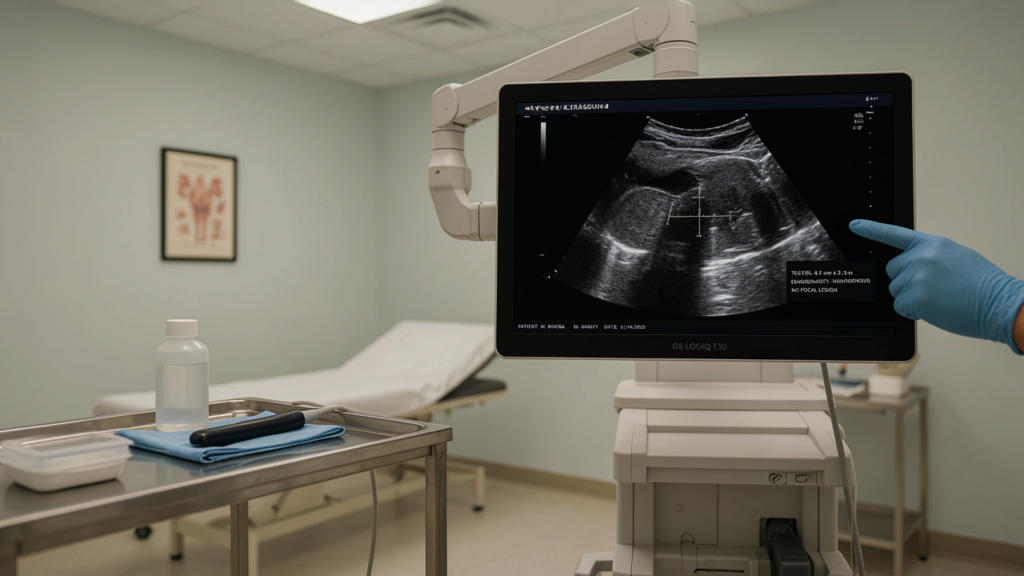
scrotum scan for infertility

Scrotum Scan for Infertility

Scrotum Scan for Infertility: 7 Key Findings That Matter for Male Fertility

Introduction Male reproductive health is an important part of family planning, and identifying possible fertility concerns can help individuals make informed healthcare decisions. A Scrotum Scan for Infertility is a specialised ultrasound examination that helps evaluate the testicles, epididymis, and surrounding scrotal structures. It can identify abnormalities that may require further investigation, including varicocele, cysts, swelling, and changes in testicular size. A Scrotum Scan for Infertility uses high-frequency sound waves to produce images of the scrotal region without ionising radiation. Doctors may recommend this examination when a man experiences testicular discomfort, swelling, a palpable lump, or an abnormality during a fertility assessment. The scan provides valuable anatomical information, although it does not directly measure sperm count or sperm quality. Understanding the findings of a Scrotum Scan for Infertility can help patients discuss their reproductive health with a qualified healthcare professional. In this comprehensive guide, we explore seven important ultrasound findings, the possible significance of each finding, the scanning procedure, preparation, benefits, and follow-up investigations that may be recommended. What Is a Scrotum Scan for Infertility? A Scrotum Scan for Infertility is a non-invasive diagnostic examination used to assess the structure and appearance of the testicles and nearby tissues. Depending on the clinical requirement, the examination may include colour Doppler ultrasound to evaluate blood flow through the scrotal blood vessels. The testicles produce sperm and testosterone, while the epididymis helps sperm mature and move towards the reproductive tract. Changes affecting these structures may sometimes be relevant to reproductive health. Ultrasound helps doctors examine their appearance and identify certain structural abnormalities. A Scrotum Scan for Infertility is often considered alongside semen analysis, medical history, physical examination, and hormonal testing. These investigations provide different types of information. While ultrasound evaluates anatomy and blood flow, semen analysis assesses characteristics such as sperm concentration, movement, and morphology. It is important to understand that not every man experiencing fertility difficulties requires a scrotal ultrasound. A doctor determines whether the examination is appropriate based on symptoms, examination findings, and the individual’s medical history. Why Is a Scrotum Scan for Infertility Recommended? Doctors may recommend a Scrotum Scan for Infertility when they suspect a structural problem that could be associated with reproductive health concerns. It can help investigate unexplained testicular swelling, discomfort, differences in testicular size, suspected varicocele, or an abnormal finding during a physical examination. The examination may also be useful when a patient has a history of testicular injury, surgery, or certain scrotal conditions. Ultrasound findings can help guide further evaluation and determine whether specialist consultation is appropriate. However, male infertility can have several causes, including hormonal imbalances, genetic factors, impaired sperm production, reproductive tract obstruction, and lifestyle-related influences. A scan cannot identify every possible cause. A Scrotum Scan for Infertility therefore forms one part of a broader diagnostic approach rather than serving as a standalone fertility test. When interpreted alongside other investigations, it can help doctors develop a more complete understanding of the patient’s reproductive health. 7 Key Findings in a Scrotum Scan for Infertility 1. Varicocele and Enlarged Scrotal Veins Varicocele refers to the enlargement of veins within the scrotum, particularly those surrounding the testicle. It is a relatively common condition and may be identified during a physical examination or through ultrasound imaging. A Scrotum Scan for Infertility with colour Doppler can help assess enlarged veins and identify abnormal blood-flow patterns, including reflux. These findings may support the diagnosis when interpreted alongside the patient’s symptoms and clinical examination. Varicocele does not always affect fertility. Many men with this condition can conceive naturally, while some may experience reduced sperm quality or impaired testicular function. The clinical significance depends on factors such as symptoms, examination findings, testicular size, and semen analysis results. If a varicocele is detected, a doctor may recommend additional investigations to understand whether it is relevant to the patient’s fertility concerns. Treatment is not automatically necessary for every case, and decisions should be based on individual clinical circumstances. 2. Changes in Testicular Size and Volume Testicular size can provide useful information during an assessment of male reproductive health. The testicles are responsible for sperm production and testosterone secretion, and significant differences in size may warrant further investigation. A Scrotum Scan for Infertility allows the examiner to measure the length, width, and height of each testicle and estimate its volume. The measurements may help identify asymmetry, reduced volume, or other structural changes. Reduced testicular volume can be associated with several conditions, including previous testicular injury, certain hormonal problems, developmental conditions, or impaired testicular function. However, size alone cannot establish whether a man is infertile. Doctors interpret these measurements alongside medical history, physical examination, hormone levels, and semen analysis. This combined assessment helps determine whether further evaluation is needed and supports more informed healthcare decisions. 3. Epididymal Cysts and Structural Abnormalities The epididymis is a coiled structure situated behind each testicle. It plays an important role in sperm maturation and transport. Certain abnormalities in this area may be visible during ultrasound imaging. A Scrotum Scan for Infertility may identify epididymal cysts, enlargement, or other structural changes. Epididymal cysts are generally benign, fluid-filled structures and often do not cause symptoms or interfere with fertility. The significance of an abnormality depends on its size, location, appearance, and relationship to the patient’s symptoms. In selected cases, a doctor may recommend monitoring or further assessment, particularly when discomfort or swelling is present. Not every epididymal finding indicates a fertility problem. A qualified healthcare professional interprets the ultrasound report and determines whether any additional investigations or treatment are appropriate. 4. Testicular Lesions and Masses A testicular lump or mass requires proper medical assessment. Ultrasound can help determine whether a lesion is located within the testicle or in the surrounding tissues and whether it appears solid or fluid-filled. A Scrotum Scan for Infertility may identify focal lesions that need further investigation. Some findings are benign, while others may require urgent specialist assessment. Ultrasound characteristics help guide clinical decisions, but imaging findings must be interpreted carefully. Patients should not ignore a …

Scrotum Scan for Infertility: 7 Key Findings That Matter for Male Fertility Read More »
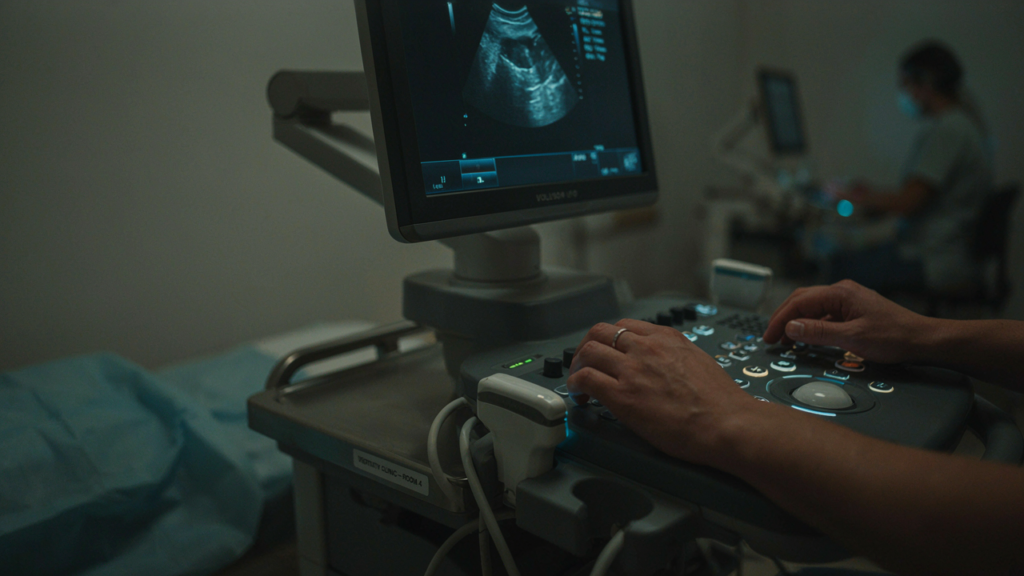
Scrotum Scan for Infertility

What to Expect During a Scrotum Scan for Infertility

what to Expect During a Scrotum Scan for Infertility When couples are trying to conceive, understanding the possible causes of infertility can be an important step toward better care. Male reproductive health can be affected by several conditions involving the testicles, epididymis, blood vessels, and surrounding tissues. A Scrotum Scan for Infertility is a useful imaging examination that helps healthcare professionals evaluate these structures and identify possible abnormalities. It is a safe, non-invasive, and generally comfortable procedure that can provide valuable information for further evaluation. A Scrotum Scan for Infertility commonly involves ultrasound imaging of the scrotum and testicles. Depending on the clinical requirement, Doppler technology may also be used to assess blood flow. This can help detect conditions such as varicocele, cysts, inflammation, fluid collection, or other structural changes that may affect reproductive health. For anyone advised to undergo a Scrotum Scan for Infertility, knowing what happens before, during, and after the examination can make the experience more comfortable and reassuring. The procedure is usually straightforward and does not require complicated preparation. What Is a Scrotum Scan for Infertility? A Scrotum Scan for Infertility is an ultrasound-based examination used to assess the scrotum, testicles, epididymis, and surrounding tissues. Ultrasound uses high-frequency sound waves to create images of internal structures without radiation. The examination can provide useful information about the size, shape, position, and appearance of the testicles. It may also help identify changes in blood flow, particularly when Doppler ultrasound is included. A Scrotum Scan for Infertility does not directly determine whether a person is fertile or infertile. Instead, it helps identify structural or vascular conditions that may be associated with male reproductive difficulties. The findings are generally considered alongside medical history, physical examination, semen analysis, hormone tests, and other investigations when needed. Why Is a Scrotum Scan for Infertility Recommended? There can be several reasons why a doctor recommends a Scrotum Scan for Infertility. Male infertility may have multiple contributing factors, and imaging can help provide a clearer understanding of certain physical conditions. One common reason is suspected varicocele. A varicocele is an enlargement of veins around the testicle and may sometimes be associated with impaired sperm production. Doppler ultrasound can help evaluate blood flow and identify enlarged veins. A Scrotum Scan for Infertility may also be considered when there is testicular pain, swelling, a lump, asymmetry, previous injury, infection, or an abnormal finding during physical examination. In some situations, imaging may be recommended after an abnormal semen analysis to investigate whether an underlying structural condition could be contributing to fertility concerns. What Can a Scrotum Scan for Infertility Detect? A Scrotum Scan for Infertility can help visualize several structures and identify different abnormalities. The exact findings depend on the individual’s condition and the quality of the examination. Potential findings may include: Condition or Finding What the Scan May Show Varicocele Enlarged veins and changes in blood flow Epididymal cyst Fluid-filled cystic structure Hydrocele Fluid surrounding the testicle Testicular changes Alterations in size or appearance Inflammation Changes associated with infection or inflammation Testicular mass Abnormal solid or cystic area Scrotal fluid Collection around reproductive structures Blood-flow changes Abnormal vascular patterns Injury-related changes Structural abnormalities after trauma A Scrotum Scan for Infertility can therefore be an important diagnostic step when a healthcare professional wants additional information about the male reproductive system. How Should You Prepare for a Scrotum Scan for Infertility? One of the positive aspects of a Scrotum Scan for Infertility is that extensive preparation is generally not required. In most cases, patients can follow their normal routine unless their healthcare provider gives specific instructions. It is useful to wear comfortable clothing because the examination requires access to the scrotal area. You may be asked to remove certain clothing items before the examination and use a gown or covering for privacy. If you have previous ultrasound reports, semen analysis results, blood tests, or other relevant medical records, keeping them available can be helpful. Your healthcare provider may use previous results to understand your current condition more effectively. Before a Scrotum Scan for Infertility, inform the healthcare professional about any symptoms such as pain, swelling, heaviness, a lump, or recent injury. This information can help guide the examination. What Happens Before the Scan? Before a Scrotum Scan for Infertility, a trained sonographer or healthcare professional may ask about your symptoms and relevant medical history. You may be asked about the duration of fertility concerns, previous injuries, surgeries, infections, pain, swelling, or other reproductive health concerns. The healthcare professional will explain the examination and position you appropriately. Maintaining privacy and comfort is an important part of the process. Unlike some other imaging tests, fasting is usually not necessary for a routine scrotal ultrasound. However, always follow the instructions provided by your healthcare facility. What Happens During a Scrotum Scan for Infertility? During a Scrotum Scan for Infertility, you will usually lie on your back. A towel or support may be placed underneath the scrotum to provide comfort and stability during the examination. A small amount of ultrasound gel is applied to the skin. The gel helps the ultrasound probe move smoothly and allows sound waves to travel effectively into the body. The sonographer gently moves the ultrasound transducer over the scrotal area. Images are captured of both testicles and surrounding structures. During a Scrotum Scan for Infertility, the healthcare professional may examine the testicles from different angles to obtain clear images. Measurements may also be taken to compare the size and appearance of both testicles. If Doppler ultrasound is required, the examination may also assess blood flow through the vessels around the testicles. This can be particularly helpful when varicocele or another vascular concern is suspected. Is a Scrotum Scan for Infertility Painful? For most people, a Scrotum Scan for Infertility is a comfortable and non-invasive examination. There are no needles, injections, or radiation involved in a standard ultrasound. You may feel gentle pressure as the transducer moves across the area. If you already have pain or tenderness, you …

What to Expect During a Scrotum Scan for Infertility Read More »

Scrotum Scan For infertility

Can a Scrotal Scan Detect Problems Affecting Sperm Production?

Male infertility can be caused by several factors, including hormonal problems, infections, lifestyle factors, genetic conditions, blockages, and abnormalities affecting the testicles or surrounding structures. When a man experiences difficulty conceiving, doctors may recommend different investigations to understand the underlying cause. One commonly used imaging examination is a scrotal ultrasound, which can provide valuable information about the testicles, epididymis, blood flow, and surrounding structures. A Scrotum scan for infertility can be particularly useful when a doctor suspects structural abnormalities that may interfere with sperm production or sperm transport. Although an ultrasound cannot directly measure sperm production, it can identify conditions such as varicocele, testicular abnormalities, cysts, inflammation, or other changes that may be associated with impaired fertility. At Iris Diagnostics, appropriate diagnostic imaging can help doctors evaluate the scrotal structures and identify findings that may require further fertility evaluation. What Is a Scrotal Scan? A scrotal scan, commonly called a scrotal ultrasound or testicular ultrasound, is a non-invasive imaging examination used to evaluate the testicles and surrounding tissues. It uses high-frequency sound waves to create real-time images of the scrotal contents. A Scrotum scan for infertility does not involve radiation and is generally painless. During the examination, an ultrasound probe is gently moved over the scrotal area after applying ultrasound gel. Depending on the clinical requirement, Doppler ultrasound may also be performed. Doppler imaging evaluates blood flow within the testicular and surrounding vessels, making it particularly helpful when a doctor is evaluating conditions such as varicocele. For men undergoing fertility evaluation, a Scrotum scan for infertility may be recommended along with other investigations rather than being used as a standalone fertility test. Can a Scrotal Scan Detect Problems Affecting Sperm Production? Yes, a Scrotum scan for infertility can detect several structural or vascular abnormalities that may be associated with impaired sperm production. However, it is important to understand that a scrotal scan does not directly determine whether the testicles are producing a normal number of sperm. Instead, it helps identify physical findings that could contribute to reduced sperm production or male infertility. For example, a Scrotum scan for infertility may help detect: These findings can provide important clues to a doctor investigating fertility problems. How Does a Scrotum Scan for Infertility Help Evaluate Male Fertility? Male fertility depends on healthy sperm production, maturation, movement, and transport. The testicles play a central role in sperm production, while the epididymis and reproductive tract are involved in sperm maturation and transport. A Scrotum scan for infertility allows doctors to examine the anatomy of these structures. The scan can assess the size, shape, internal appearance, and vascularity of the testicles. Doppler imaging can additionally evaluate blood circulation. This information can be useful when a man has an abnormal semen analysis, unexplained infertility, testicular pain, swelling, a history of testicular injury, or suspected varicocele. At Iris Diagnostics, a Scrotum scan for infertility can form part of a broader diagnostic assessment when imaging is clinically indicated. What Conditions Can a Scrotum Scan for Infertility Detect? 1. Varicocele Varicocele is one of the important conditions evaluated during a Scrotum scan for infertility. A varicocele refers to enlargement of the veins within the scrotum. It commonly occurs on the left side but can occur on either side. Doppler ultrasound can help identify enlarged veins and assess blood flow patterns. This can be important because clinically significant varicoceles may be associated with impaired sperm production in some men. A Scrotum scan for infertility can therefore provide useful information when varicocele is suspected during a physical examination or fertility assessment. 2. Testicular Size and Structure Testicular size and internal structure can provide clues about testicular health. A Scrotum scan for infertility can measure testicular dimensions and assess the appearance of the testicular tissue. Abnormal testicular size or structural changes may sometimes be associated with conditions affecting fertility. However, ultrasound findings need to be interpreted alongside the patient’s history, examination, semen analysis, and other investigations. 3. Epididymal Abnormalities The epididymis is located behind each testicle and plays an important role in sperm maturation and storage. Inflammation, cysts, or other abnormalities involving the epididymis may be visible during a Scrotum scan for infertility. If sperm transport is suspected to be affected, imaging findings can help doctors decide whether additional evaluation is necessary. 4. Testicular Inflammation Inflammation involving the testicles or epididymis can sometimes affect reproductive health. A Scrotum scan for infertility may demonstrate changes in tissue appearance and blood flow that support the diagnosis of inflammatory conditions. The scan may be particularly useful when fertility concerns occur together with pain, swelling, tenderness, fever, or other symptoms. 5. Cysts and Fluid Collections A scrotal ultrasound can identify fluid-filled structures and collections around the testicles. Although many cysts and fluid collections are benign and do not necessarily cause infertility, identifying them can help doctors distinguish normal structures from abnormalities. A Scrotum scan for infertility may therefore be recommended when physical examination reveals swelling or an unusual scrotal finding. 6. Testicular Masses Ultrasound is an important imaging method for evaluating a suspected testicular lump. A Scrotum scan for infertility may identify an abnormal area within the testicle that requires further medical assessment. Not every testicular abnormality affects fertility, but detecting an unexpected mass early allows appropriate follow-up and specialist evaluation. Can a Scrotum Scan for Infertility Show Low Sperm Production? A Scrotum scan for infertility cannot directly count sperm or confirm whether sperm production is normal. Sperm production is primarily assessed through semen analysis. Depending on the situation, doctors may also recommend hormonal tests, genetic testing, or other fertility investigations. The value of a Scrotum scan for infertility is that it can identify physical conditions that may help explain an abnormal semen analysis or fertility difficulty. For example, if a semen analysis shows reduced sperm concentration and ultrasound identifies a significant varicocele, the doctor may consider whether the two findings are clinically related. Therefore, a Scrotum scan for infertility should be considered one component of a complete male fertility evaluation rather than a replacement …

Can a Scrotal Scan Detect Problems Affecting Sperm Production? Read More »

Scrotum Scan for Infertility

Scrotum Scan for Infertility: Detecting Varicocele and Other Conditions

Male fertility is influenced by several important factors, including healthy sperm production, normal testicular function, proper hormone balance, and the effective movement of sperm through the reproductive system. When a couple experiences difficulty conceiving, a careful and complete evaluation can help identify possible contributing factors. A Scrotum Scan for Infertility is an ultrasound-based examination that can provide valuable information about the testicles, epididymis, scrotal tissues, and blood vessels. It may be recommended when a healthcare professional needs to investigate a possible structural or vascular problem that could be relevant to male reproductive health. The scan uses sound waves to create images of the scrotal structures and does not use ionizing radiation. It may also include Doppler ultrasound, which can provide information about blood flow. This makes it a useful imaging method when conditions such as varicocele or other scrotal abnormalities need to be assessed. What Is a Scrotum Scan for Infertility? A Scrotum Scan for Infertility is a diagnostic ultrasound examination designed to evaluate the structures within the scrotum. The testicles, epididymis, surrounding tissues, and blood vessels can be examined through ultrasound imaging. The examination can provide clear and useful visual information that may not be obtained through a physical examination alone. Ultrasound produces images by sending high-frequency sound waves into the body and recording the echoes that return. Because it does not use X-rays, it is considered a non-invasive imaging technique. When Doppler technology is used, the examination can also show blood movement through vessels. This can be particularly helpful when a doctor suspects abnormal venous circulation or wants to assess a possible varicocele. It is important to understand that a scrotal ultrasound is not a complete infertility test. Instead, it is one useful tool that may support a broader fertility evaluation. Why Is Scrotum Scan for Infertility Important? Male infertility may have several possible causes, and some of them can be associated with conditions involving the testicles or scrotal structures. A Scrotum Scan for Infertility can help healthcare professionals look for specific structural or vascular findings that may require further evaluation. Depending on the clinical situation, ultrasound may help assess: The value of the examination comes from combining its findings with the patient’s medical history, symptoms, physical examination, and other fertility tests. A clear imaging result can provide important information and may help make the overall evaluation more focused and effective. How Male Fertility Can Be Affected Healthy sperm production depends on properly functioning testicular tissue. Hormones, blood supply, temperature regulation, and the reproductive ducts all have important roles. When one or more of these systems is affected, sperm production or sperm function may be reduced. For some men, the problem is related to sperm count, movement, or shape. For others, a structural condition, hormonal issue, infection, or reproductive tract problem may contribute to fertility difficulties. Varicocele is one example of a condition that can be associated with male infertility. It involves enlarged veins that drain the testicle and may be linked with lower sperm quantity or quality in some men. Because male fertility has many possible causes, imaging may be recommended when a structural or vascular concern is suspected. Scrotum Scan for Infertility and Varicocele Detection One of the most important conditions evaluated through scrotal ultrasound is varicocele. A varicocele is an enlargement of veins in the scrotum. It can sometimes cause pain or a feeling of heaviness, but some men may have no noticeable symptoms. During a physical examination, a healthcare professional may be able to identify a varicocele by inspecting and feeling the scrotum. Ultrasound can provide additional information and may help confirm or characterize the condition. Doppler imaging is particularly valuable because it can assess blood flow within the scrotal veins. This information may help the doctor understand whether abnormal circulation is present and whether further evaluation is appropriate. The presence of a varicocele does not automatically mean that it is the sole reason for infertility. Doctors generally interpret the imaging results together with semen analysis, fertility history, physical examination, and other relevant findings. How Does Varicocele Affect Fertility? The exact way varicocele affects fertility is not completely understood. Research and clinical evidence suggest that abnormal venous circulation may affect the testicular environment and may be associated with reduced sperm production or quality in some men. Possible effects may involve temperature regulation, blood flow, and the local environment in which sperm are produced. Not every man with varicocele experiences infertility. Some men may have normal fertility despite having the condition, while others may show abnormalities in semen parameters. This is why identifying a varicocele is only one part of a proper evaluation. Other Conditions a Scrotum Scan for Infertility Can Help Assess Although varicocele is a major reason for scrotal ultrasound in some fertility assessments, it is not the only condition that can be investigated. Testicular Abnormalities Ultrasound can provide detailed information about the internal appearance of the testicles. The examination may show changes in size, shape, tissue appearance, or other structural features that require further clinical assessment. These findings can help healthcare professionals determine whether additional tests are appropriate. Epididymal Conditions The epididymis is a coiled tube located behind the testicle. It plays an important role in sperm maturation and transport. Ultrasound may show enlargement or other changes involving the epididymis. Certain infections and inflammatory conditions can affect the epididymis, and imaging may provide useful information when symptoms are present. Fluid Collections Ultrasound can also detect fluid around the testicle. The appearance and amount of fluid may help doctors determine whether the finding is clinically significant. Not every fluid collection affects fertility, so professional interpretation remains important. Cysts Some cystic structures may be visible during an ultrasound examination. Many cystic findings are benign, but their location and appearance can help determine whether follow-up is required. Testicular Masses Ultrasound is commonly used when a lump or unusual scrotal finding needs to be evaluated. It can help determine whether a mass appears cystic or solid and where it is located. An ultrasound finding alone …

Scrotum Scan for Infertility: Detecting Varicocele and Other Conditions Read More »

Scrotum Scan For infertility

Struggling with Male Infertility? 7 Reasons to Get a Scrotal Scan

Male infertility can be a challenging experience for couples trying to conceive. While several factors can affect male reproductive health, identifying the underlying cause is an important step towards appropriate treatment. A scrotum scan for infertility is a useful diagnostic imaging test that helps doctors examine the testicles, epididymis, blood vessels and other structures within the scrotum. At Iris Diagnostic, diagnostic imaging helps patients and doctors gain valuable insights into reproductive health. If you are experiencing testicular discomfort, swelling, changes in testicular size or difficulties with fertility, a scrotal scan may be recommended by your doctor to investigate possible underlying conditions. Understanding when to get a scrotum scan for infertility can help you take a more informed approach to your reproductive health. Here are seven important reasons why your doctor may recommend this scan. What Is a Scrotum Scan for Infertility? A scrotum scan for infertility is an ultrasound examination that uses high-frequency sound waves to produce images of the testicles and surrounding structures. It is a non-invasive, generally painless imaging procedure that does not use ionising radiation. Doctors may recommend a scrotal ultrasound, sometimes combined with colour Doppler imaging, to assess blood flow, identify structural abnormalities and investigate conditions that may contribute to male infertility. A scrotum scan for infertility can help detect certain physical abnormalities, but it cannot independently determine whether a man is fertile. Doctors may also recommend semen analysis, hormone testing and other investigations to understand the complete picture of reproductive health. 7 Reasons to Get a Scrotum Scan for Infertility 1. Detecting Varicocele and Abnormal Blood Flow A varicocele is an enlargement of the veins within the scrotum, similar to varicose veins in the legs. It is one of the conditions associated with male infertility and may affect testicular temperature and function in some men. A scrotum scan for infertility, particularly with colour Doppler ultrasound, can help identify enlarged scrotal veins and assess blood flow. It may also help doctors evaluate whether a varicocele is present when physical examination findings are unclear. Early identification can help your doctor determine whether monitoring, further fertility investigations or treatment should be considered. 2. Identifying Testicular Size and Structural Changes Testicular size and structure can provide useful information when evaluating male reproductive health. Changes in testicular volume may sometimes be associated with hormonal conditions, previous injuries, infections or impaired sperm production. A scrotum scan for infertility allows doctors to measure testicular size and examine the internal tissue for abnormalities. It can help identify differences between the two testicles, changes in volume, unusual tissue patterns or other structural concerns. At Iris Diagnostic, ultrasound imaging can provide useful information for doctors assessing testicular abnormalities as part of a broader male fertility evaluation. 3. Detecting Epididymal Cysts and Blockages The epididymis is a coiled tube located behind each testicle. It plays an essential role in sperm maturation, storage and transport. Certain conditions affecting the epididymis or sperm transport pathways may be associated with male infertility. A scrotum scan for infertility can help detect epididymal cysts, swelling, inflammation and other visible structural abnormalities. In some cases, these findings may prompt doctors to investigate a possible obstruction or another issue affecting sperm transport. Although an ultrasound can identify many structural changes, it cannot confirm every type of sperm duct blockage. Additional investigations may be necessary depending on the patient’s symptoms and semen analysis results. 4. Investigating Testicular Pain and Swelling Persistent testicular pain, swelling or discomfort should not be ignored, especially when accompanied by changes in reproductive health. These symptoms can occur due to inflammation, infection, fluid accumulation, injury or other conditions. A scrotum scan for infertility may be recommended when these symptoms require further investigation. Ultrasound imaging helps doctors assess the testicles, epididymis, surrounding tissues and blood flow to identify possible causes. Sudden, severe testicular pain requires immediate medical attention because testicular torsion, a condition that can interrupt blood supply, is a medical emergency. Do not delay urgent assessment to arrange a routine ultrasound appointment. 5. Detecting Hydrocele and Fluid Accumulation A hydrocele occurs when fluid collects around a testicle, causing swelling in the scrotum. Although many hydroceles are harmless, some may cause discomfort, heaviness or noticeable enlargement. A scrotum scan for infertility can help identify fluid accumulation, assess its extent and examine the surrounding structures. It can also help doctors distinguish a hydrocele from other possible causes of scrotal swelling. While a hydrocele does not usually cause infertility directly, identifying it can help doctors assess associated conditions and decide whether any further evaluation or treatment is needed. 6. Evaluating Testicular Infections and Inflammation Infections and inflammation involving the testicles or epididymis can cause pain, tenderness, redness and swelling. Conditions such as epididymitis and orchitis may sometimes affect reproductive health, particularly if severe or associated with complications. A scrotum scan for infertility can help identify signs of inflammation, tissue changes and increased blood flow using Doppler ultrasound. These findings, along with clinical examination and laboratory tests, can help doctors assess the underlying condition. Timely diagnosis and appropriate treatment are important to manage infection, relieve symptoms and reduce the risk of complications that may affect reproductive health. 7. Investigating Unexplained Male Infertility When a couple experiences difficulty conceiving, identifying possible contributing factors is an important part of fertility assessment. Male infertility may be associated with hormonal imbalances, sperm production problems, genetic conditions, structural abnormalities and other medical factors. A scrotum scan for infertility can help doctors investigate visible abnormalities in the testicles and surrounding structures, particularly when semen analysis results or physical examination findings indicate a need for imaging. The scan may provide additional information about testicular volume, varicocele, cysts and other structural changes. When combined with semen analysis, hormone testing and a specialist’s assessment, it can contribute to a more complete understanding of male reproductive health. When Should You Consider a Scrotum Scan for Infertility? Your doctor may recommend a scrotum scan for infertility if you experience any of the following: A scrotal ultrasound is not routinely required for every man experiencing …

Struggling with Male Infertility? 7 Reasons to Get a Scrotal Scan Read More »

Scroll to Top